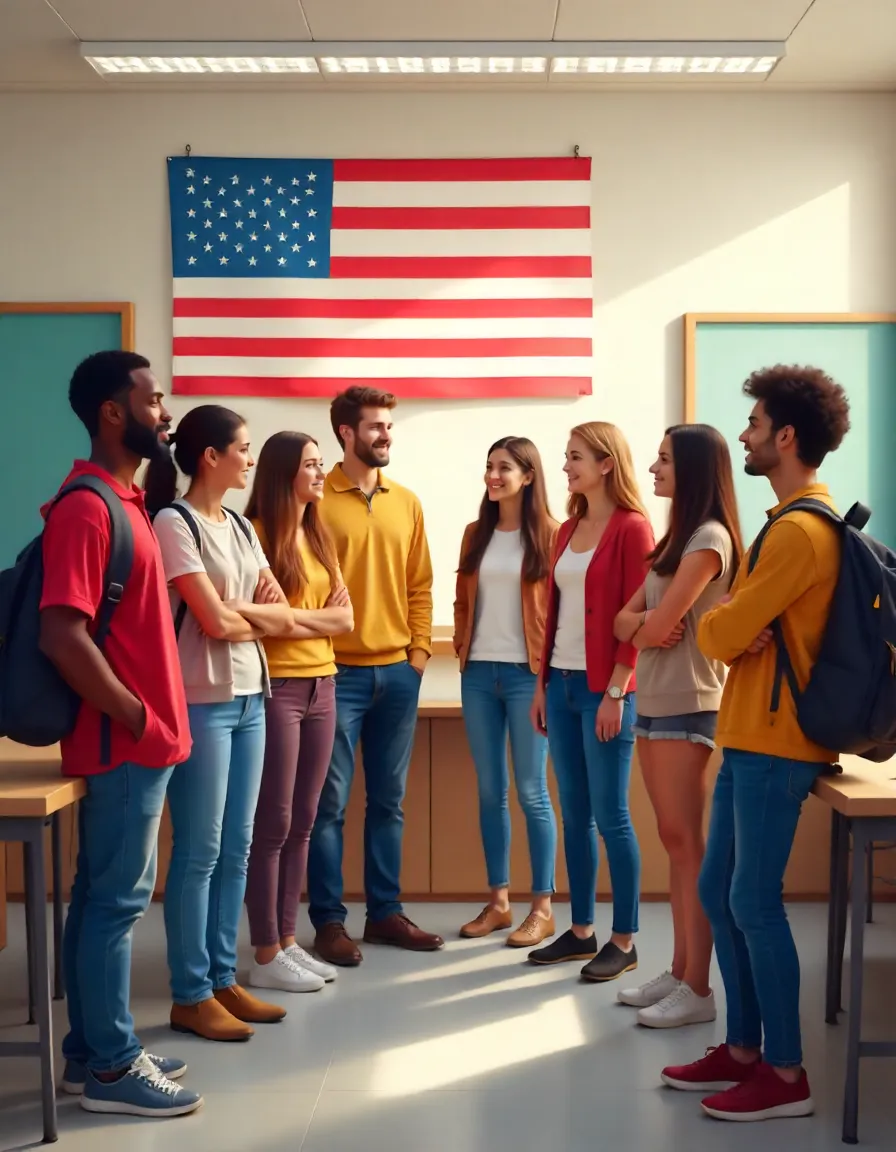
Understanding U.S. Legal System for Foreign Students
Navigating a new country can be challenging, and for many international students, understanding the U.S. legal system is paramount. It's essential to be aware of your rights, responsibilities, and the resources available to you.
1.Introduction to the U.S. Legal System:
·Federal and State Laws: The U.S. is governed by both federal laws, which apply nationwide, and state laws, which can vary from one state to another. It's crucial to be aware of the laws specific to the state you're residing in.
·Common Law System: U.S. legal system is based on the common law, meaning that decisions by higher courts bind lower courts. This system relies heavily on precedents or previous judicial decisions.
·Judicial Branch: The U.S. has a multi-tiered court system, with local, state, and federal courts. Each has its jurisdiction and types of cases they handle.
2.Rights and Responsibilities of International Students:
·Right to Fair Treatment: All individuals, regardless of their citizenship status, have a right to equal protection under the law.
·Freedom of Expression: While students have the right to express their opinions, it's essential to do so respectfully and within the confines of the law.
·Compliance with Immigration Laws: Ensure that you maintain your student visa status, avoid unauthorized work, and report any significant changes, like a new address, to the U.S. government.
3.Tips to Avoid Legal Issues as a Foreign Student:
·Stay Informed: Attend orientation sessions provided by your university's international student office, which often cover essential legal and cultural topics.
·Avoid Plagiarism: U.S. academic institutions take academic honesty seriously. Always cite your sources and understand what constitutes plagiarism.
·Understand Rental Agreements: If you're renting an apartment or house, ensure you understand your lease terms. Avoid making changes to the property without the landlord's consent.
4.Resources and Legal Support for International Students:
·International Student Office: Almost every university has an office dedicated to supporting international students. They can provide guidance on various issues, including legal ones.
·Student Legal Services: Many universities offer free or low-cost legal consultations for students.
·Know Your Rights: Websites like the American Civil Liberties Union (ACLU) provide resources to help individuals understand their rights in various situations.
·Emergency Situations: In case of emergencies, such as arrests, it's crucial to remain calm, request legal representation, and contact your embassy or consulate.
Conclusion:
While the U.S. legal system can seem complex, being informed and proactive can help international students avoid pitfalls and enjoy their time studying abroad. When in doubt, always seek guidance from trusted sources and professionals.
Resources to Understand the U.S. Legal System for Foreign Students:
1.United States Courts - Educational Resources:
·This site provides an in-depth look into the U.S. legal system, from understanding the federal courts to resources catered specifically for educators and students.
·Website: [U.S. Courts Educational Resources] (https://www.uscourts.gov/educational-resources)
2.American Bar Association - Division for Public Education:
·They offer resources that help students and the general public understand the law and the legal system.
·Website: [ABA Public Education Resources] (https://www.americanbar.org/groups/public_education/resources/)
3.FindLaw:
·This is a comprehensive website that offers a plethora of legal information. It has an entire section dedicated to students.
·Student Rights: [FindLaw for Students] (https://studentrights.findlaw.com/)
4.Legal Information Institute (LII) at Cornell Law School:
·It provides broad overviews of different areas of law.
·Website: [LII - Overview of American Legal System] (https://www.law.cornell.edu/wex/overview_of_american_legal_system)
5.International Student Office:
·Check with individual university's International Student Office. They usually provide legal guides, workshops, and sometimes even offer sessions with legal advisors for foreign students.
6.U.S. Citizenship and Immigration Services (USCIS):
·Official government website for all immigration-related matters.
·Website: [USCIS] (https://www.uscis.gov/)
·Student Resources: [USCIS - Students and Employment] (https://www.uscis.gov/working-in-the-united-states/students-and-exchange-visitors)
7.NAFSA: Association of International Educators:
·Offers information for international educators and students regarding public policy and immigration procedures.
·Website: [NAFSA] (https://www.nafsa.org/)
8.Study in the States:
·A U.S. Department of Homeland Security initiative that guides international students on studying in the U.S.
·Website: [Study in the States] (https://studyinthestates.dhs.gov/)
