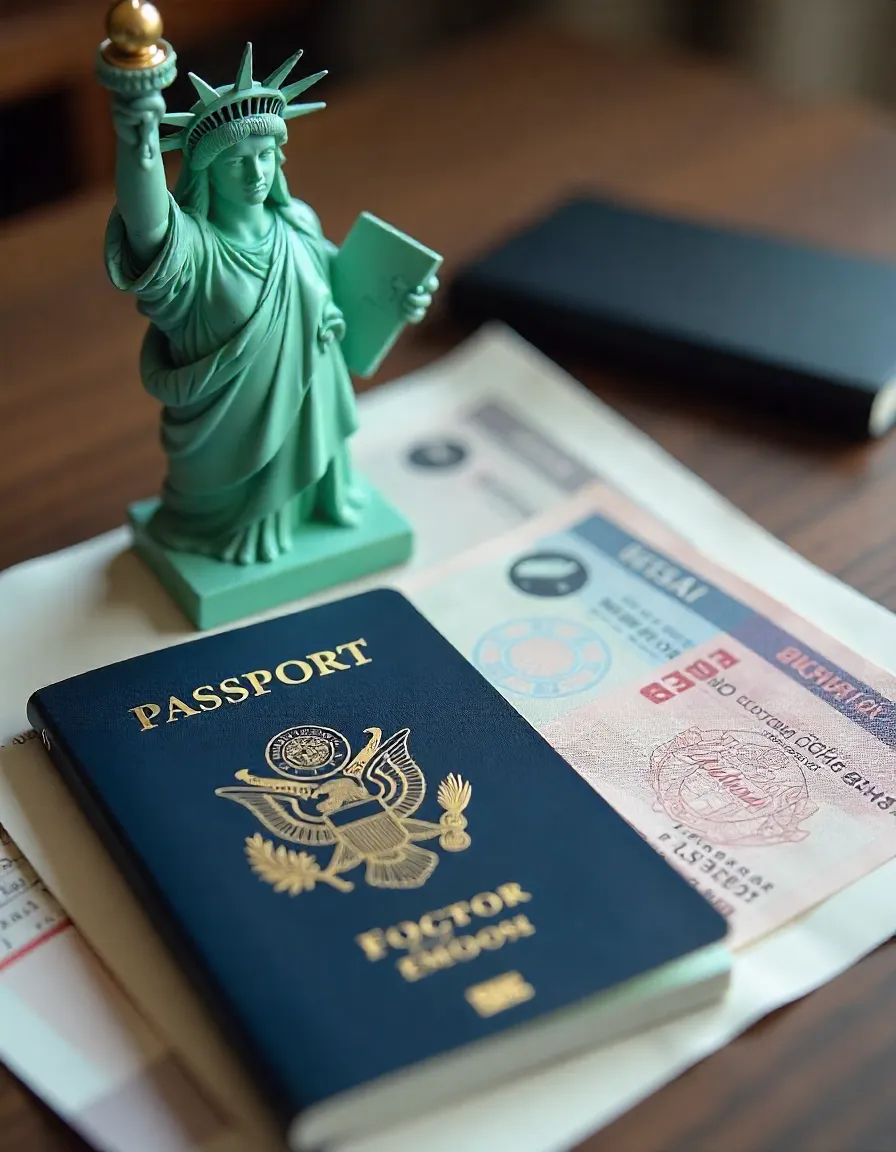
Increase Visa Chance
Increase Your Chances of Securing a Student Visa for the U.S.
For many Arab and Jordanian students, pursuing education in the U.S. is a cherished dream. However, the visa process can sometimes be daunting. Here's a comprehensive guide to enhance your chances of securing a student visa:
1.When to Apply:
·Start your visa application process as soon as you receive your I-20 or DS-2019 form from your U.S. institution.
·It's recommended to applyat least3-4 months before your course begins. This timeframe accommodates for any unforeseen delays or additional processing times, especially during high application periods like summer.
2.Financially Stable Students:
·U.S. consulates need proof that you can cover tuition, living expenses, and other costs.
·Keep your financial documents, like bank statements or financial guarantees, organized and readily available.
·For Jordanians, ensure that the provided documents clearly display the sufficient funds, preferably in English or with a certified translation.
3.Age of Students:
·While there isn't a strict age limit, it's essential to show a clear academic or professional progression.
4.Gender:
·The U.S. visa application process is neutral and does not discriminate based on gender. However, it's vital for female applicants, given certain cultural considerations, to be prepared to confidently articulate their purpose and plans in the U.S.
5.Unstable Areas in the World:
·Given the geopolitical scenarios in the Middle East, it's crucial to clarify any connections or travels to conflict zones.
·Emphasize the academic purpose of your U.S. stay and any intent to return to Jordan or your home country upon completing your studies.
6.Education GAP:
·If you've had a gap in your education, be prepared to explain the reasons – whether it was for work, family commitments, or other personal reasons.
7.Student's Background Matches the Selected Program:
·Ensure you can articulate why you chose a specific program, especially if it seems unrelated to your previous studies. Highlight any transferable skills or passions that bridge the gap.
8.Level of Education the Student is Applying to:
·Pursuing higher studies like a Master’s or Ph.D.? Be ready to discuss your research interests, potential contributions to the academic community, and future career plans in your home country.
9.Final Tips for Jordanian/Arab Applicants:
·While English proficiency is a must, don't shy away from expressing your pride in your Arab heritage. This cultural diversity can be an asset to U.S. campuses.
·Be genuine and sincere in your responses. Consular officers appreciate honesty and clarity.
·Familiarize yourself with potential cultural differences, ensuring that your interactions with consular officials are respectful and aligned with U.S. norms.
·By being well-prepared and maintaining a positive outlook, you enhance your chances of securing your student visa and embarking on an enriching educational journey in the U.S.
Resources to Increase Chances of Obtaining a Student Visa:
·U.S. Department of State - Bureau of Consular Affairs:
-This official site provides guidelines for applying for student visas, including necessary documentation, fees, and other related information.
-Website: [U.S. Visas] (https://travel.state.gov/content/travel/en/us-visas.html)
·EducationUSA:
-Managed by the U.S. Department of State, it offers students advice on the application process, interview preparation, and frequently asked questions about U.S. student visas.
-Website: [EducationUSA] (https://educationusa.state.gov/)
-Visa Assistance: [Preparing for Your Visa Interview] (https://educationusa.state.gov/your-5-steps-us-study/apply-your-student-visa)
·NAFSA: Association of International Educators:
-They have a wealth of resources, including visa application process insights and updates on any policy changes.
-Website: [NAFSA Visa & Immigration] (https://www.nafsa.org/professional-resources/browse-by-interest/visa-and-immigration)
·U.S. Citizenship and Immigration Services (USCIS):
-The USCIS provides detailed information on various visa types, eligibility, and processes.
-Website: [USCIS - Students and Exchange Visitors] (https://www.uscis.gov/working-in-the-united-states/students-and-exchange-visitors)
·VisaJourney:
-While not an official site, it's a community forum where many share their personal visa application experiences, tips, and tricks. It can offer valuable insights into what works and what pitfalls to avoid.
-Website: [VisaJourney Forums] (https://www.visajourney.com/forums/)
·IELTS/TOEFL Preparation Sites:
-Since proficiency in English can be a significant factor in obtaining a student visa, sites like Magoosh, IELTS Simon, and others can aid in preparing for these exams.
-Websites:
§[Magoosh IELTS] (https://ielts.magoosh.com/)
§[IELTS Simon] (http://ielts-simon.com/)
§[ETS TOEFL] (https://www.ets.org/toefl)
·Local U.S. Embassies & Consulates:
-Always check the website or contact the U.S. embassy or consulate in your home country. They often have specific guidelines and advice tailored for applicants from that country.
-Website: [U.S. Embassies & Consulates] (https://www.usembassy.gov/)
·Student Visa Interview Preparation Guides:
-There are several online guides that offer advice on how to prepare for the visa interview. While there's no guarantee of success, these tips can help you approach the interview with confidence.
-Example: [Top Universities - US Student Visa Interview Guide] (https://www.topuniversities.com/student-info/visa-advice/us-student-visa-interview-questions-tips)
